

The Refresh Rate Race: OLED and Mini-LED in 2026
Display technology advances rapidly. We've moved from bulky CRTs to today's sleek panels. Currently, OLED and Mini-LED are leading the charge, pushing display capabilities. A significant aspect of this progress is screen refresh rates – the number of times per second an image updates. However, simply aiming for the highest number isn't the whole story.
Higher refresh rates offer a smoother, more responsive experience, reducing motion blur and making interactions feel quicker. This is beneficial for fast-paced gaming, but also for everyday tasks like scrolling or moving a mouse cursor. As we look ahead to 2026, the key question is which technology will deliver the best experience, not just the most impressive specifications.
Marketing often emphasizes raw refresh rate numbers like 144Hz, 240Hz, or 480Hz. While impressive, these figures don't tell the whole story without considering response times and overall panel quality. By 2026, both OLED and Mini-LED will likely continue to innovate. The winning technology will be the one that best balances speed with image quality, translating these features into a genuinely better viewing experience.
OLED Refresh Rate Strengths: Speed and Response
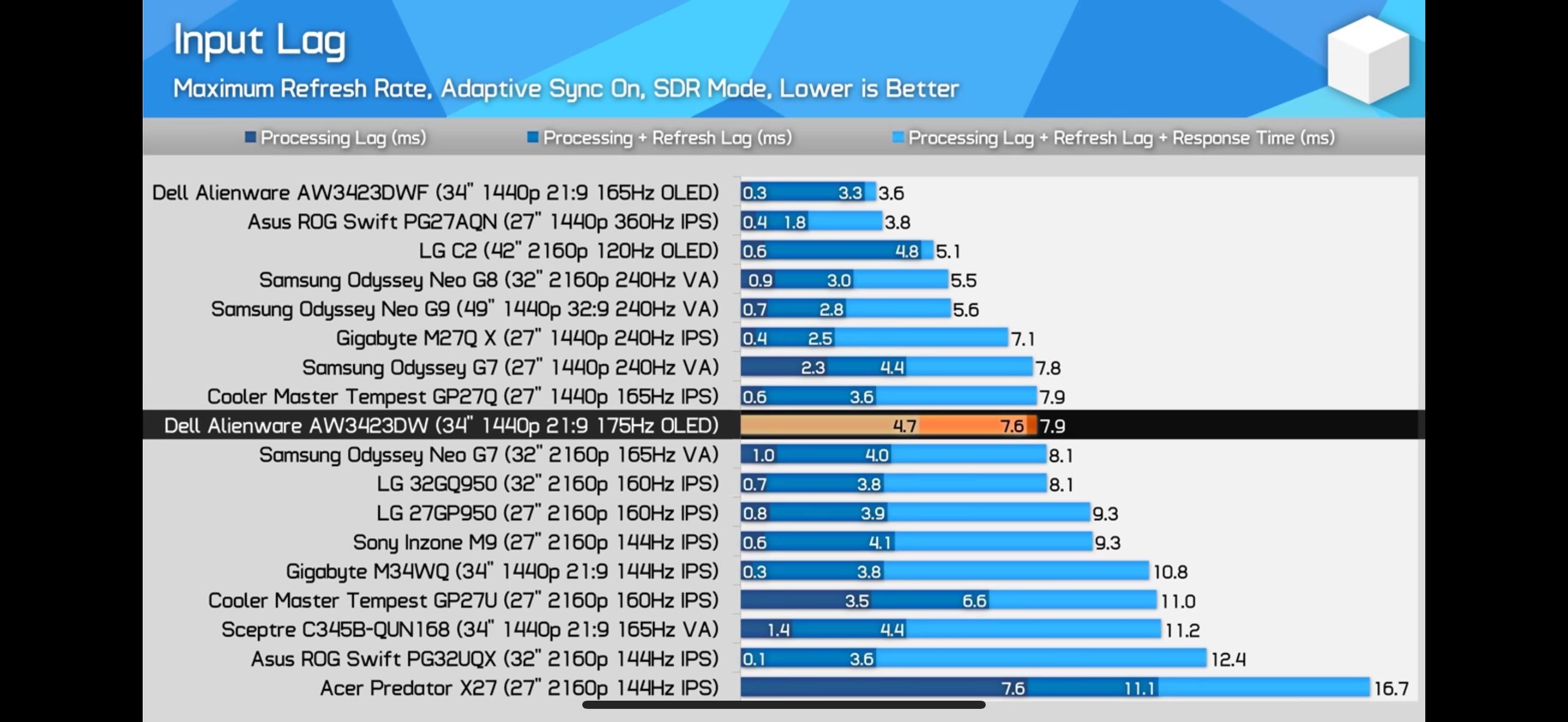
OLED (Organic Light Emitting Diode) technology offers a distinct advantage in refresh rates and response times. Unlike traditional LCDs, each OLED pixel emits its own light, eliminating the need for a backlight. This allows each pixel to switch on and off incredibly quickly, resulting in exceptionally low response times (often measured in microseconds) and the ability to achieve very high native refresh rates.
LG Display is leading this area, having demonstrated 27-inch 480Hz QHD Gaming OLED panels (as of March 7, 2024, according to news.lgdisplay.com). This speed is significant. However, the true advantage lies in OLED's per-pixel refresh capability, which bypasses the limitations of a slower LCD layer for image updates.
The perceived smoothness is largely due to OLED's near-instantaneous response time. While a high refresh rate is beneficial, slow pixel color changes can still cause blur. OLED technology largely eliminates this issue. The difference lies not just in how often the image updates, but how quickly each individual pixel reacts – a subtle yet impactful distinction.
Here’s a breakdown of what makes OLED excel:
OLEDs achieve incredibly fast pixel response times (often under 1ms).
Native refresh rates can go very high, as demonstrated by LG Display’s 480Hz panels.
Per-pixel refresh eliminates the limitations of a backlight system.
- OLEDs achieve incredibly fast pixel response times (often under 1ms).
- Native refresh rates can go very high, as demonstrated by LG Display’s 480Hz panels.
- Per-pixel refresh eliminates the limitations of a backlight system.
Current OLED Displays & Refresh Rates
- LG C4 OLED - This 2024 model boasts a 120Hz refresh rate and a 0.1ms response time, offering smooth motion for gaming and fast-paced content.
- Sony Bravia A95L QD-OLED - Sony’s 2023 QD-OLED features a 120Hz refresh rate and a reported 0.1ms response time, leveraging Quantum Dot technology for enhanced color.
- Samsung S95D QD-OLED - Samsung's 2023 flagship QD-OLED TV offers a 144Hz refresh rate (with PC connection) and a 0.1ms response time, targeting gamers with higher refresh rate support.
- Philips OLED807 - A 2023 model, the OLED807 features a 120Hz refresh rate and a 0.1ms response time, incorporating Ambilight technology for immersive viewing.
- ASUS ROG Swift OLED PG42UQ - This 42-inch gaming monitor offers a 138Hz refresh rate (overclocked) and a 0.1ms response time, designed for competitive gaming.
- Alienware AW3423DW QD-OLED - A 34-inch ultrawide gaming monitor with a 175Hz refresh rate and 0.1ms response time, known for its vibrant colors and curved display.
- LG 27GR95QE-B OLED - A 27-inch gaming monitor offering a 240Hz refresh rate and a 0.03ms response time, geared towards esports and fast-paced action.
Mini-LED: Catching Up, But With Caveats
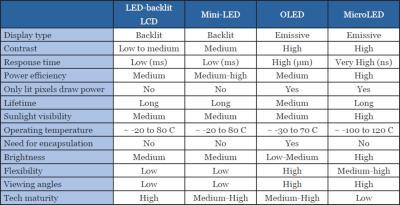
Mini-LED displays improve upon traditional LCDs by using a backlight with thousands of tiny LEDs for more precise local dimming. This enhances contrast ratios and black levels, approaching OLED performance. However, Mini-LED still uses an LCD layer, which imposes inherent limitations on refresh rates.
The LCD layer has a limited switching speed, making it slower to react than an OLED pixel. Consequently, Mini-LED displays generally exhibit slower response times than OLEDs, even with advanced overdrive techniques. While manufacturers are continuously improving these response times, they are still catching up. Although refresh rates can be high (144Hz and 240Hz are common), achieving the same smoothness as a comparable OLED panel remains a challenge.
Local dimming, while a strength, can also cause artifacts during fast motion. The dimming zones may not always keep pace with the action, leading to a 'blooming' effect around bright objects on dark backgrounds. This can reduce overall clarity and responsiveness. Mini-LED is a capable technology, but these compromises must be acknowledged. It is a strong contender, though not yet matching OLED in pure speed.
Refresh Rate vs. Response Time: The Full Picture
Focusing solely on refresh rate numbers overlooks the critical difference between refresh rate and response time. Refresh rate indicates how many times per second the display updates the image, while response time measures how long a pixel takes to change color. Both are essential, and one cannot compensate for the other.
Consider this analogy: refresh rate is the speed limit of a highway, and response time is the speed of the cars on it. A high refresh rate (fast highway) with slow response times (slow cars) will still lead to traffic and a lack of smoothness. Conversely, a moderate highway with fast cars might offer better overall efficiency.
Panel type significantly impacts response times. TN (Twisted Nematic) panels are typically the fastest but often compromise color accuracy and viewing angles. IPS (In-Plane Switching) panels provide better color and viewing angles but usually have slower response times. VA (Vertical Alignment) panels offer a balance between these. The YouTube video “How Have Monitor Refresh Rates Evolved From CRT To OLED?” (youtube.com) offers historical context on these technologies.
Here's a quick comparison:
TN: Fastest response times, but poorer color accuracy.
IPS: Good color accuracy and viewing angles, moderate response times.
VA: Good contrast ratios, moderate response times.
- TN: Fastest response times, but poorer color accuracy.
- IPS: Good color accuracy and viewing angles, moderate response times.
- VA: Good contrast ratios, moderate response times.
OLED, Mini-LED, and LCD Display Technology Comparison (Projected for 2026)
| Feature | OLED | Mini-LED | LCD |
|---|---|---|---|
| Refresh Rate | Excellent (Up to 480Hz, as demonstrated by LG Display's 27-inch QHD Gaming OLED) | Good (Typically up to 240Hz, with potential for higher) | Fair (Generally up to 144Hz, higher rates possible but with limitations) |
| Response Time | Excellent (0.03ms - 1ms, consistently faster) | Good (1ms - 5ms) | Fair to Good (5ms - 14ms, varies significantly by panel type) |
| Contrast Ratio | Excellent (Infinite, due to perfect black levels) | Good to Excellent (1,000,000:1 or higher with local dimming) | Fair (Typically 1,000:1 to 3,000:1) |
| Viewing Angles | Excellent (Nearly 180 degrees with no color shift) | Good to Excellent (Wide viewing angles, improved over traditional LCD) | Fair (Color shift and contrast reduction at off-axis viewing) |
| Motion Clarity | Excellent (Inherently high due to fast response times) | Good (Can be excellent with advanced motion blur reduction technologies) | Fair (Often requires motion blur reduction technologies) |
| Black Levels | Excellent (Perfect blacks) | Good (Very deep blacks with effective local dimming) | Fair (Limited black levels, backlight bleed common) |
| Price (Relative) | High | Mid-Range to High | Low to Mid-Range |
Illustrative comparison based on the article research brief. Verify current pricing, limits, and product details in the official docs before relying on it.
2026 Predictions: Where Will We Be?
By 2026, OLED technology is expected to continue advancing refresh rates, potentially exceeding 500Hz, with further improvements in response times. Advancements in backplane technology, the circuitry controlling pixels, will be crucial for achieving these higher speeds. Development of new OLED materials could also enhance efficiency and brightness.
Mini-LED will likely narrow the gap but may not fully surpass OLED in raw speed. Improvements in local dimming algorithms and LCD layers are expected, but the fundamental limitations of LCD technology will persist. Mini-LED's focus will probably remain on enhancing contrast, color accuracy, and brightness, alongside increasing refresh rates.
Widespread adoption of QD-OLED (Quantum Dot OLED) technology is anticipated, combining OLED and quantum dots for enhanced color and brightness. This could become a significant player in the high-end display market. Competition between these technologies will benefit consumers through innovation and potentially lower prices.
Beyond the Numbers: Refresh Rate and Perception
undefined higher refresh rate can certainly make a difference, especially in fast-paced games, the benefits become less noticeable as you go higher. Most people can’t reliably perceive the difference between 240Hz and 480Hz, for example. LG’s explanation of refresh rate importance (lg.com) emphasizes the importance of finding the right balance for your needs.
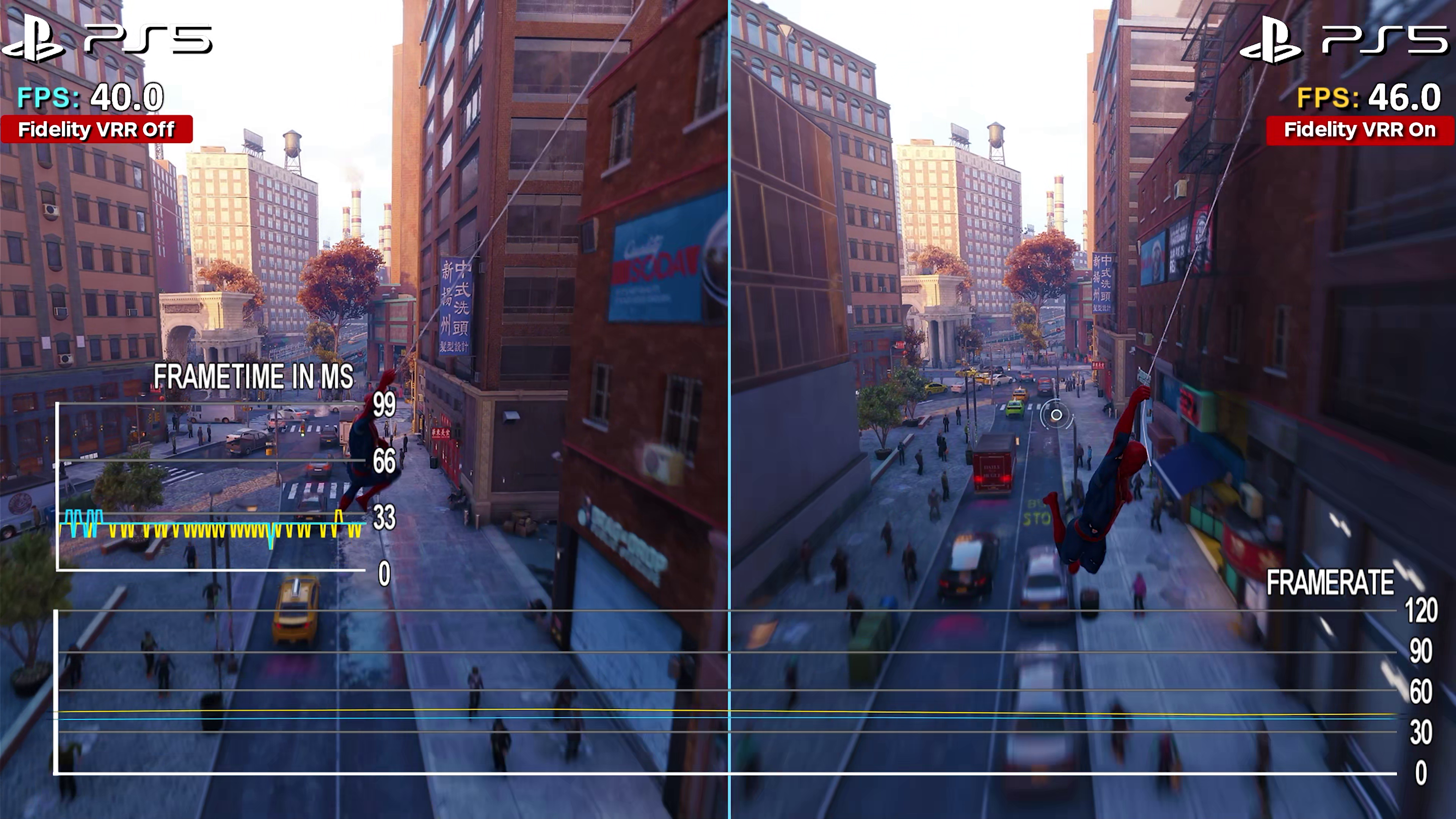
Frame rate (FPS) is another critical factor. A high refresh rate display won’t magically make a game look smoother if the game itself is only running at 60 FPS. You need both a high refresh rate and a high frame rate to fully realize the benefits. This is where variable refresh rate (VRR) technologies like G-Sync and FreeSync come into play.
VRR synchronizes the refresh rate of the display with the frame rate of the graphics card, eliminating screen tearing and stuttering. This can significantly improve the smoothness of the gaming experience, even if the frame rate fluctuates. Ultimately, the "best’ refresh rate is subjective and depends on individual perception, the type of content you"re viewing, and your hardware capabilities.
Here are some key things to keep in mind:
Higher refresh rates are most noticeable in fast-paced games.
Frame rate needs to match refresh rate for optimal smoothness.
VRR technologies can eliminate screen tearing and stuttering.
- Higher refresh rates are most noticeable in fast-paced games.
- Frame rate needs to match refresh rate for optimal smoothness.
- VRR technologies can eliminate screen tearing and stuttering.
Top OLED and Mini-LED Displays for High Refresh Rates (Late 2024)
Here’s a selection of displays currently available (as of late 2024) that prioritize high refresh rates, offering a good balance of performance and price. These are all solid options, but the best choice will depend on your specific needs and budget.
For Gaming:
LG 27GR95QE-B: 27-inch OLED, 240Hz, 1440p, excellent response time. A top pick for competitive gamers.
ASUS ROG Swift OLED PG27AQDM: 27-inch OLED, 240Hz, 1440p, great color accuracy and features.
Samsung Odyssey Neo G7: 32-inch Mini-LED, 240Hz, 4K, excellent contrast and brightness.
For Content Creation:
BenQ PD2705U: 27-inch Mini-LED, 144Hz, 4K, wide color gamut and accurate color reproduction.
Dell UltraSharp U2723QE: 27-inch IPS, 144Hz, 1440p, excellent color accuracy and viewing angles.
For General Use:
Sony BRAVIA XR A95L: 55-inch OLED, 120Hz, 4K, stunning picture quality and wide viewing angles. Great for movies and TV shows.
TCL QM8: 65-inch Mini-LED, 144Hz, 4K, good value for money and impressive performance.
- LG 27GR95QE-B: 27-inch OLED, 240Hz, 1440p, excellent response time.
- ASUS ROG Swift OLED PG27AQDM: 27-inch OLED, 240Hz, 1440p, great color accuracy and features.
- Samsung Odyssey Neo G7: 32-inch Mini-LED, 240Hz, 4K, excellent contrast and brightness.
Featured Products

OLED evo technology for enhanced brightness and color · 4K UHD resolution with Alpha 9 AI Processor 4K Gen7 · AI-powered smart features with built-in Alexa
This LG OLED TV represents the pinnacle of self-emissive display technology, offering perfect blacks and vibrant colors ideal for gaming and cinematic content.

Dual UHD 4K resolution on a 57-inch 1000R curved display · Quantum Mini-LED backlight for superior contrast and brightness · 240Hz refresh rate and 1ms response time for fluid motion
The Samsung Odyssey Neo G9 showcases the power of Mini-LED with its immense size, high resolution, and exceptionally fast refresh rate, making it a top-tier choice for immersive gaming.

QD-OLED panel for exceptional color volume and brightness · 77-inch 4K Ultra HD resolution with BRAVIA XR processing · Optimized for PlayStation 5 with exclusive gaming features
Sony's A95L BRAVIA XR leverages QD-OLED technology to deliver stunning visuals with incredible color accuracy and deep blacks, complemented by advanced gaming enhancements.

32-inch 4K UHD Mini-LED IPS display · 144Hz refresh rate with DSC support for high-fidelity visuals · DisplayHDR 1400 and G-SYNC Ultimate for peak brightness and smooth gameplay
The ASUS ROG Swift PG32UQX is a prime example of Mini-LED's capabilities, offering exceptional HDR performance and a high refresh rate for competitive gaming.

34-inch QD-OLED curved display with 21:9 aspect ratio · 165Hz refresh rate and 0.1ms response time for ultra-smooth visuals · VESA DisplayHDR True Black 400 for excellent contrast and detail
The Alienware AW3423DWF combines the benefits of QD-OLED with a wide, curved aspect ratio and fast response times, providing an immersive and responsive gaming experience.
As an Amazon Associate I earn from qualifying purchases. Prices may vary.
No comments yet. Be the first to share your thoughts!