

The race for smoother motion
It feels like just yesterday we were staring at blurry images on CRT monitors, and honestly, for a long time, 60Hz was considered perfectly acceptable. Now, consumers are clamoring for 144Hz, 240Hz, and even higher. This shift isn't just about numbers; it's about a dramatically smoother, more responsive visual experience. The difference is noticeable, and people are paying attention.
Early LCDs struggled to break 75Hz. Then TN panels arrived, trading color for speed. IPS and VA eventually caught up, but now OLED and MicroLED are the real competitors. Manufacturers are fighting for every extra frame, and the tech is moving faster than the content can keep up.
There's a key distinction to understand: perceived smoothness doesn’t always equal the actual refresh rate. Factors like response time, panel technology, and even the content being displayed all play a role. A higher refresh rate can lead to a smoother image, but it’s not a guaranteed outcome. It's about the whole package, not just one specification.
The reality of OLED speeds
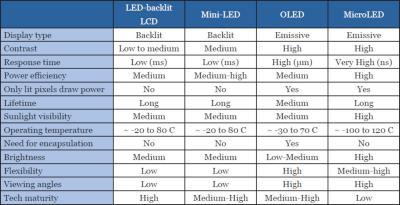
OLED (Organic Light Emitting Diode) technology has quickly become a favorite amongst gamers and enthusiasts, and for good reason. It delivers incredible contrast, perfect blacks, and fast response times. But when it comes to refresh rates, OLED faces unique challenges. The organic materials used in OLED panels degrade over time, and pushing them to extremely high refresh rates accelerates this process, leading to burn-in and reduced lifespan.
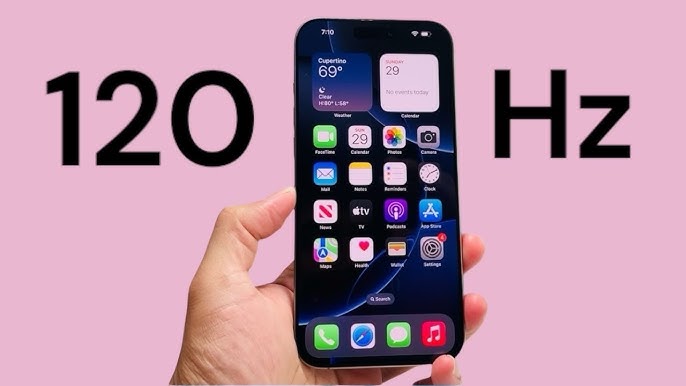
120Hz was the standard for OLED for years because it didn't kill the organic pixels too quickly. LG Display changed that in March 2024 by showing off a 27-inch 480Hz panel. It proves OLED can hit these speeds, but you'll pay a massive premium for the privilege.
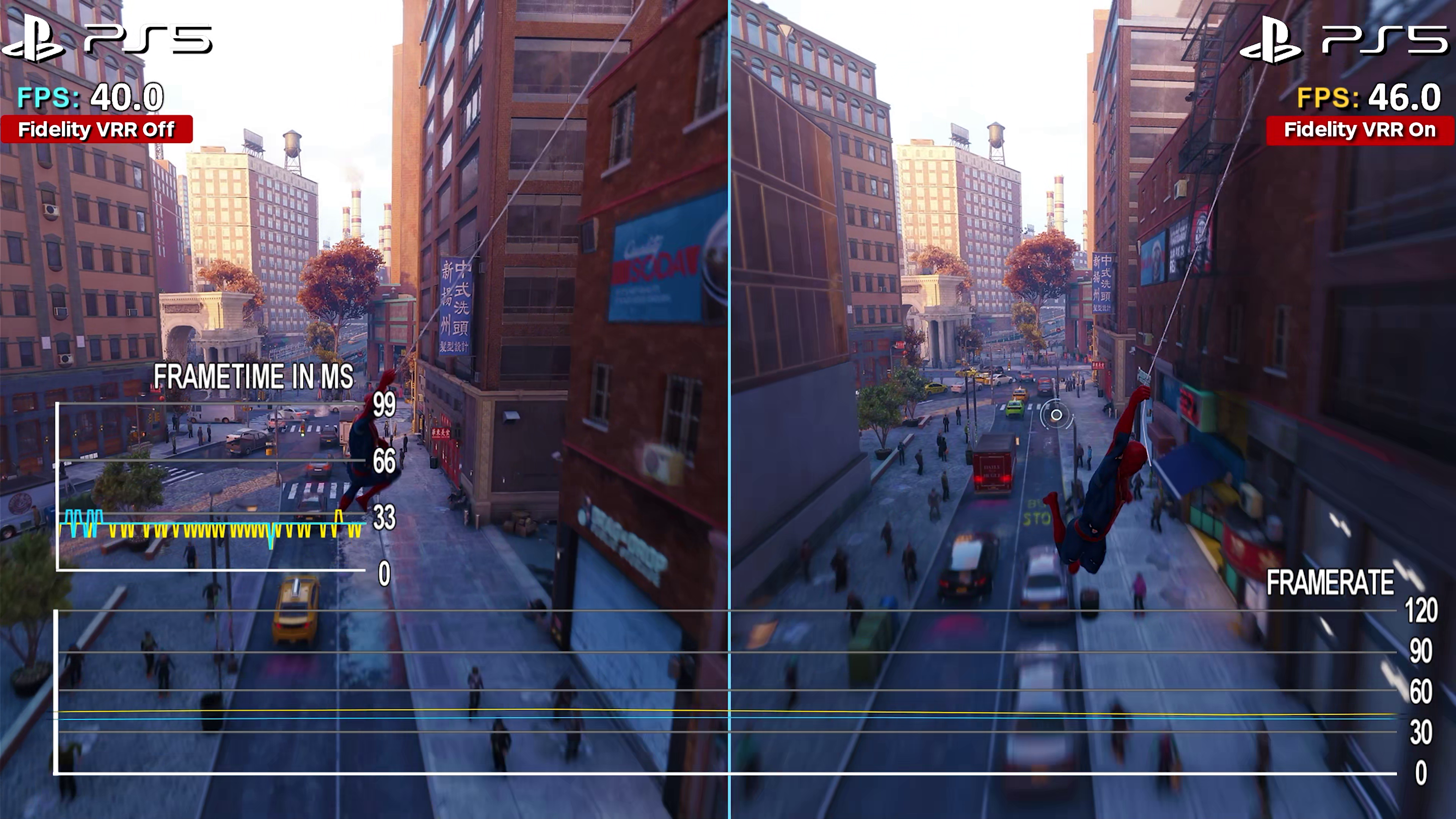
Variable Refresh Rate (VRR) technologies like Nvidia G-Sync and AMD FreeSync are essential partners for OLED displays. These technologies dynamically adjust the refresh rate of the monitor to match the frame rate output of the graphics card, eliminating screen tearing and stuttering. They also allow OLED panels to operate at lower refresh rates when high rates aren't needed, potentially extending their lifespan. It’s a clever workaround to the inherent limitations.
Despite advances, concerns about burn-in remain. While manufacturers are implementing technologies to mitigate this risk—pixel shifting, screen savers, and logo dimming—it’s still a factor to consider. The long-term reliability of 480Hz OLED panels is something we’ll be watching closely. You’re essentially trading potential longevity for a smoother, more responsive gaming experience.
MicroLED: A New Contender
MicroLED is different because it isn't organic. It uses microscopic, inorganic LEDs that don't rot or dim over time. This means it stays brighter and lasts longer than any OLED on the market.
The biggest potential benefit for refresh rates is the ability to drive MicroLEDs much harder and for longer periods without the risk of burn-in. This opens the door to consistently higher refresh rates than OLED can currently achieve. MicroLED also boasts superior brightness, making it ideal for brightly lit environments where OLEDs can sometimes appear washed out.
However, MicroLED isn't without its challenges. Manufacturing these displays is incredibly complex and expensive. Precisely placing millions of microscopic LEDs onto a substrate is a monumental task, and yield rates are currently low. This translates to very high prices for MicroLED displays, limiting their accessibility. We’re still a ways off from seeing affordable MicroLED monitors on every desk.
The lack of widespread availability is a major hurdle. While Samsung has shown off impressive MicroLED TVs, they remain prohibitively expensive for most consumers. Scaling down the technology to smaller monitor sizes is also proving difficult, further delaying its entry into the mainstream gaming market.
Refresh rate is not response time
These two terms are often used interchangeably, but they represent distinct characteristics of a display. Refresh rate is how many times per second the display updates the image – measured in Hertz (Hz). A 144Hz monitor updates the image 144 times every second. Response time, on the other hand, is how quickly a pixel can change from one color to another – measured in milliseconds (ms).
Think of it this way: refresh rate is the frequency of updates, while response time is the speed of the update. A high refresh rate doesn’t guarantee a clear image if the pixels are slow to respond. If a pixel takes too long to change color, you’ll experience ghosting or blurring, even at 240Hz. A slow response time effectively negates the benefits of a high refresh rate.
Both are critical for a good gaming experience. A high refresh rate reduces motion blur and input lag, making the game feel more responsive. A fast response time ensures that fast-moving objects appear sharp and clear. Ideally, you want both to be high—a high refresh rate and a low response time. This combination delivers the smoothest, most immersive visuals.
- Refresh rate is how often the screen updates every second, measured in Hz.
- Response time is the speed at which a single pixel shifts colors, measured in ms.
OLED vs MicroLED: A 2026 Comparison
| Refresh Rate Potential | Response Time Potential | Burn-in Risk | Brightness Potential | Manufacturing Cost |
|---|---|---|---|---|
| High | Very High | Moderate | High | High |
| High | Very High | Minimal | Very High | Significant |
Illustrative comparison based on the article research brief. Verify current pricing, limits, and product details in the official docs before relying on it.
Where we'll be in 2026
Predicting the future is always tricky, but based on current trends, I anticipate that OLED refresh rates will continue to climb, likely reaching a mainstream peak of 500Hz for high-end gaming monitors by 2026. However, achieving this will require further advancements in panel technology and burn-in mitigation techniques. Expect to see premium pricing for these ultra-high refresh rate OLEDs.
MicroLED, on the other hand, has the potential to surpass OLED. If manufacturing challenges can be overcome, we could see MicroLED displays offering 600Hz or even 720Hz refresh rates by 2026. The key will be driving down costs and improving scalability. It’s more likely that MicroLED will initially appear in larger, high-end displays—like TVs—before trickling down to smaller monitor sizes.
New materials and manufacturing processes will play a crucial role. Quantum dot technology, combined with MicroLED, could further enhance color accuracy and brightness. Advances in backplane technology will also be essential for driving higher refresh rates and resolutions. The development of more efficient LED structures could reduce power consumption and heat generation.
I'm cautiously optimistic. While MicroLED holds immense promise, significant hurdles remain. OLED will likely remain the dominant display technology for gaming in the near term, but MicroLED is poised to become a serious contender as the technology matures. It’s not a question of if MicroLED will challenge OLED, but when.
Top MicroLED & OLED Displays (Early 2026)
As of early 2026, the high-refresh-rate display market is still evolving. Here are a few standout models that represent the cutting edge of OLED and MicroLED technology, assuming they’ve reached production:
Samsung QD-OLED G9 (57-inch, 5120x1440, 480Hz): Samsung has continued to refine its QD-OLED technology, delivering exceptional color accuracy and contrast. This ultra-wide monitor boasts a 480Hz refresh rate and a blazing-fast 0.03ms response time. It’s a premium option, but it delivers an unparalleled gaming experience.
LG Display 32-inch 720Hz Gaming MicroLED: LG has finally cracked the code on mass-producing smaller MicroLED panels. This 32-inch monitor offers a stunning 720Hz refresh rate, exceptional brightness, and perfect blacks. It’s expensive, but it represents the pinnacle of display technology.
Panasonic MZ2000 (65-inch, 4K, 240Hz): While a TV, the MZ2000 showcases what’s possible with high-end OLED. It features a 240Hz refresh rate, exceptional color accuracy, and advanced burn-in mitigation technologies. It’s a great option for gamers who also want a premium home theater experience.
Sony BRAVIA XR A95L (55-inch, 4K, 144Hz): Sony's flagship OLED TV delivers stunning picture quality and a 144Hz refresh rate, making it a strong contender for gamers who prioritize image quality. It also features excellent motion handling and low input lag.
Featured Products

65-inch Class OLED S95F 4K Glare Free Smart TV (2025 Model) · NQ4 AI Gen3 Processor · Motion Xcelerator 164Hz
This Samsung OLED TV offers a 164Hz refresh rate, showcasing advanced motion handling for a smooth visual experience.

77-Inch Class OLED evo AI 4K C5 Series Smart TV (2025) · AI Super Upscaling 4K · Dolby Vision, Dolby Atmos
The LG C5 Series OLED evo TV provides a large 77-inch display with AI enhancements for superior picture quality.

Sony QD-OLED 77 inch BRAVIA XR A95L Series 4K Ultra HD Smart Google TV · QD-OLED technology · BRAVIA XR processor
This Sony BRAVIA XR QD-OLED TV leverages advanced processing for exceptional contrast and color accuracy.

49" Odyssey OLED G9 (G91SD) Dual QHD QD-OLED Curved Gaming Monitor · 144Hz refresh rate · 0.03ms response time
The Samsung Odyssey OLED G9 gaming monitor is designed for high-speed gaming with its 144Hz refresh rate and rapid response time.

42-Inch Class OLED evo 4K Processor Smart TV (2023) · AI-Powered OLED · Optimized for Gaming
This LG C3 Series OLED evo TV is a compact yet powerful option, specifically tuned for gaming performance.
As an Amazon Associate I earn from qualifying purchases. Prices may vary.
No comments yet. Be the first to share your thoughts!