
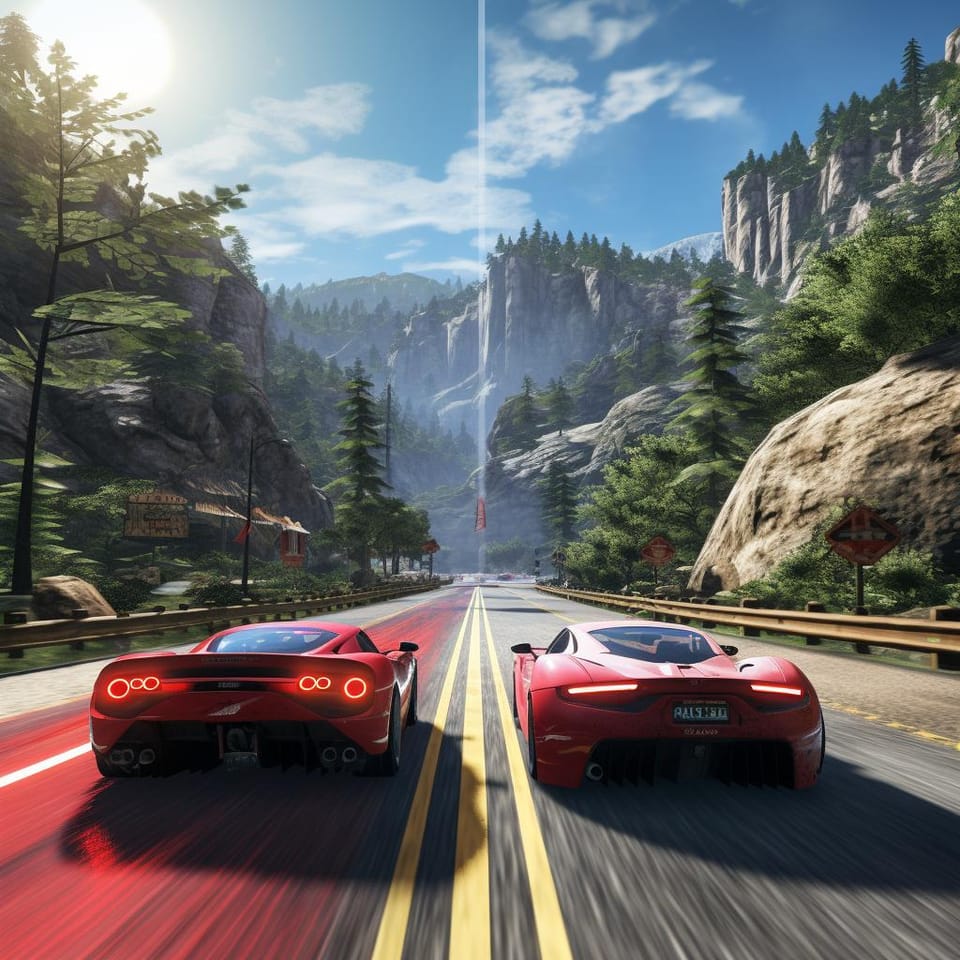

Refresh Rates Unveiled: Why 60hz and 120hz Matter in Gaming 🎮
Ever wondered why the smoothness of your gaming experience fluctuates like a roller coaster ride? The culprit behind this enigma might be lurking right under your nose - the refresh rate of your monitor. This often overlooked aspect plays a pivotal role in determining the quality of your gaming experience, especially in the adrenaline-pumping world of racing games.
As we cruise down the digital race track, we'll explore the significance of 60hz vs 120hz gaming, shedding light on their impact on your virtual racing experience. Understanding screen refresh rates is akin to understanding the rhythm of your game - the smoother the rhythm, the better the dance.
So, buckle up as we delve into the world of refresh rates, deciphering what they mean for gamers and how to change the refresh rate for gaming. Will the higher 120hz refresh rate take the trophy, or could the 60hz refresh rate still hold its ground? Let's find out!
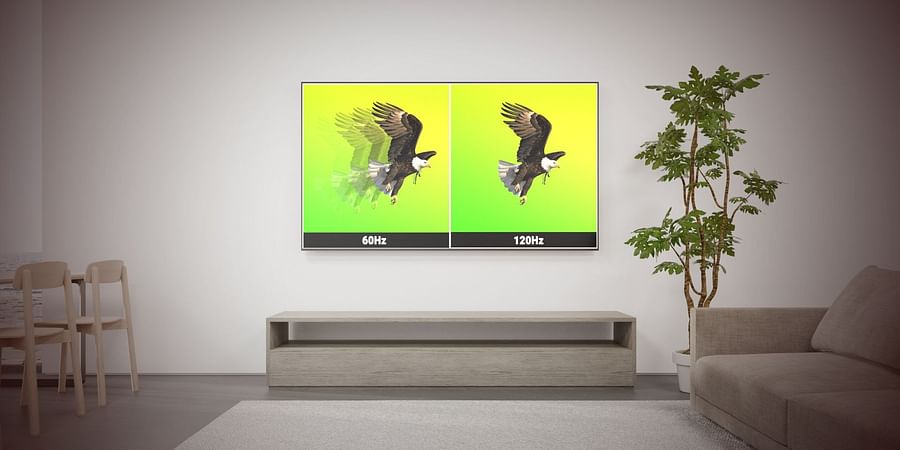
60hz or 120hz: Which Gaming Refresh Rate Reigns Supreme?
When you're engrossed in a thrilling race on your favorite gaming title, every detail matters. The difference between 60hz vs 120hz refresh rates isn't just a technical jargon to be glossed over, it's the line that separates a smooth, immersive experience from a janky, frustrating one. But what does it all mean?
At its core, a monitor's refresh rate is the number of times it updates with new images each second. A 60hz monitor does this 60 times per second, while a 120hz monitor doubles that count. This difference can significantly impact the fluidity and responsiveness of your gameplay, particularly in fast-paced genres like racing games.
But does a higher refresh rate always translate to a better gaming experience? Not necessarily. As we've explored in our in-depth look at refresh rates, the impact varies depending on several factors, including the type of game, your hardware capabilities, and even your own perception.
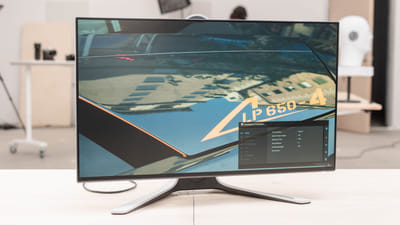
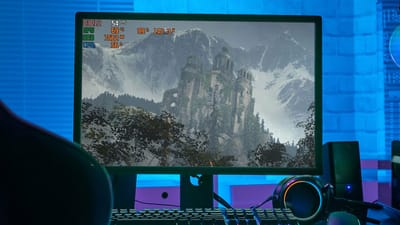
Comparison of Gaming Experience: 60hz vs 120hz
Feel the Speed: How Refresh Rates Rev Up Your Racing Games 🏎️
Ever wondered how the thrill of a high-speed chase in your favorite racing game could be affected by something as technical as a monitor's refresh rate? Well, let's put the pedal to the metal and dive into the world of 60hz vs 120hz gaming.
Imagine you're on the final lap, neck and neck with your rival, when suddenly your screen tears, causing you to miss a crucial turn. That's the impact of refresh rate in games. A 60hz monitor refreshes the screen 60 times per second, which for most games, is ample. But in the high-octane world of racing games where every millisecond counts, a 120hz refresh rate can offer a smoother, more responsive gameplay experience.
Take, for instance, the popular racing game, Forza Horizon 4. Players using a 120hz monitor have reported a more immersive experience, with smoother transitions and sharper turns, compared to those on a 60hz monitor. But remember, the best refresh rate for racing games may depend on your personal preference, game settings, and hardware capabilities.
To better understand the impact of different refresh rates on the gameplay of racing games, let's take a look at a video comparison.
As you can see from the video, the refresh rate can significantly affect your gaming experience, especially in fast-paced games like racing. Now, let's move on to discuss how to balance cost and performance when choosing a gaming monitor.
The Ultimate Trade-Off: Picking the Perfect Monitor for Your Budget and Gaming Needs 💻
Embarking on the quest for the perfect gaming monitor can feel like navigating a maze, especially when you're weighing the impact of refresh rates in games. But fear not, we're here to guide you through the labyrinth of 60hz vs 120hz gaming. It's time to ask yourself, what truly matters to you in your gaming experience?
If you're a racing game aficionado, you'll know that every millisecond counts. The difference between 60hz and 120hz can be the deciding factor in whether you cross the finish line first or trail behind in the dust. But does a higher refresh rate always mean a better experience? Not necessarily. It's all about finding the sweet spot between performance and price.
Before you make a beeline for the most expensive, high refresh rate monitor, take a moment to consider your budget. Do you need the added speed of a 120hz monitor, or could the reliable performance of a 60hz monitor serve you just as well? Is the higher refresh rate worth the extra cost? It's time to weigh your options and make an informed decision.
Rev Up Your Gaming: Top-Rated Monitors for the Ultimate Racing Experience
Step Up Your Game: A Simple Guide to Tweaking Your Monitor's Refresh Rate
Now that we've discussed the importance of refresh rates, let's walk through how you can adjust these settings on your own monitor.
Tuning Your Monitor: A Step-by-Step Guide to Adjusting Refresh Rate





Learn more about 🔧 Tuning Your Monitor: A Step-by-Step Guide to Adjusting Refresh Rate 🔧 or discover other Refresh Rates Review guides.
With these steps, you should be able to adjust your monitor's refresh rate to better suit your gaming needs. Now, let's hear from some fellow gamers about their experiences with different refresh rates.
Gamers Speak: Real-life Experiences with 60hz vs 120hz in Racing Games
As we delve into the gaming community, the debate between 60hz vs 120hz gaming refresh rates is as heated as any Grand Prix. Take seasoned gamer, Alex, for instance. He swears by his 120hz monitor, saying, "In high-speed chases, every millisecond counts. The smoothness from the higher refresh rate gives me that edge."
On the flip side, casual player, Jenna, finds her 60hz screen perfectly adequate. "I'm not a competitive racer, but I do love my Need for Speed. Honestly, I don't notice much difference."
So, what's the verdict? It's subjective. While the higher refresh rate might offer smoother gameplay, not everyone perceives the difference. Ultimately, understanding screen refresh rates and how to change refresh rate for gaming is crucial, but it's the impact of refresh rate in games that matters most to you. Curious about the refresh rate vs fps in racing games? We've got you covered.
What's Your Preferred Refresh Rate for Racing Games?
We're curious to know your gaming preferences. When it comes to playing racing games, which refresh rate do you prefer? 🎮🏎️
Final Lap: Your Personal Pit Stop for Deciding on Refresh Rates
So, you've revved through the world of refresh rates, navigated the twisty turnpike of 60hz vs 120hz gaming, and now you find yourself at the finish line. But the checkered flag isn't the end of the race, not really. It's a pit stop on your ongoing journey of gaming excellence; a pause to refuel your understanding of screen refresh rates and their impact on your virtual velocity.
Whether you're a casual racer or a competitive speedster, the kind of games you play, your personal preferences, and your hardware's technical specifications all play a part in deciding your optimal refresh rate. From the sharp curves of motion rate vs refresh rate to the straight drag race of refresh rate vs fps, knowledge is your turbo boost.
So, next time you're at the starting line, remember: the best refresh rate for racing games? It's not just about the numbers. It's about how those numbers help you cross the finish line. Ready for another lap?
No comments yet. Be the first to share your thoughts!