

The 120Hz threshold
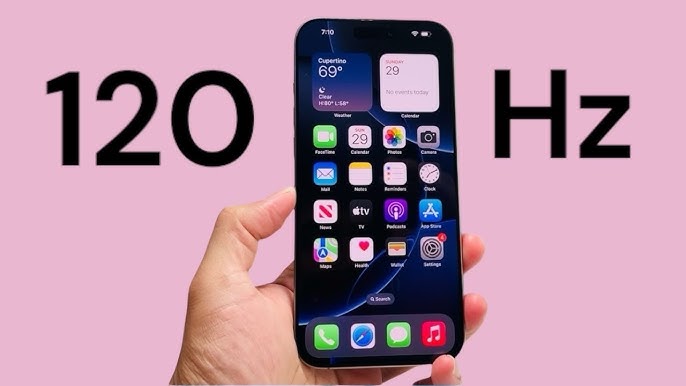
The 120Hz standard is now the floor for high-end phones. While 60Hz used to be enough, the jump to higher frequencies changed how we judge screen quality. It isn't just a spec on a sheet; it's the difference between a UI that feels heavy and one that feels like it's reacting instantly to your thumb.
But why does it matter? Our brains perceive motion as smoother when the refresh rate is higher. While most movies and TV shows are still filmed at 24 or 30 frames per second, a 120Hz display can make scrolling through social media, playing games, and even just navigating the interface feel significantly more responsive. It’s not just about seeing more frames; it’s about how the display reacts to your touch.
The catch? Most of the content we consume isn’t actually designed for 120Hz. So, is it all just a placebo effect? Not entirely. Even if the content isn't natively high frame rate, the faster refresh rate reduces motion blur and makes everything feel snappier. And as mobile gaming continues to evolve, higher refresh rates are becoming increasingly important for competitive play. The jump to 120Hz was substantial, and now the industry is looking at what comes next.
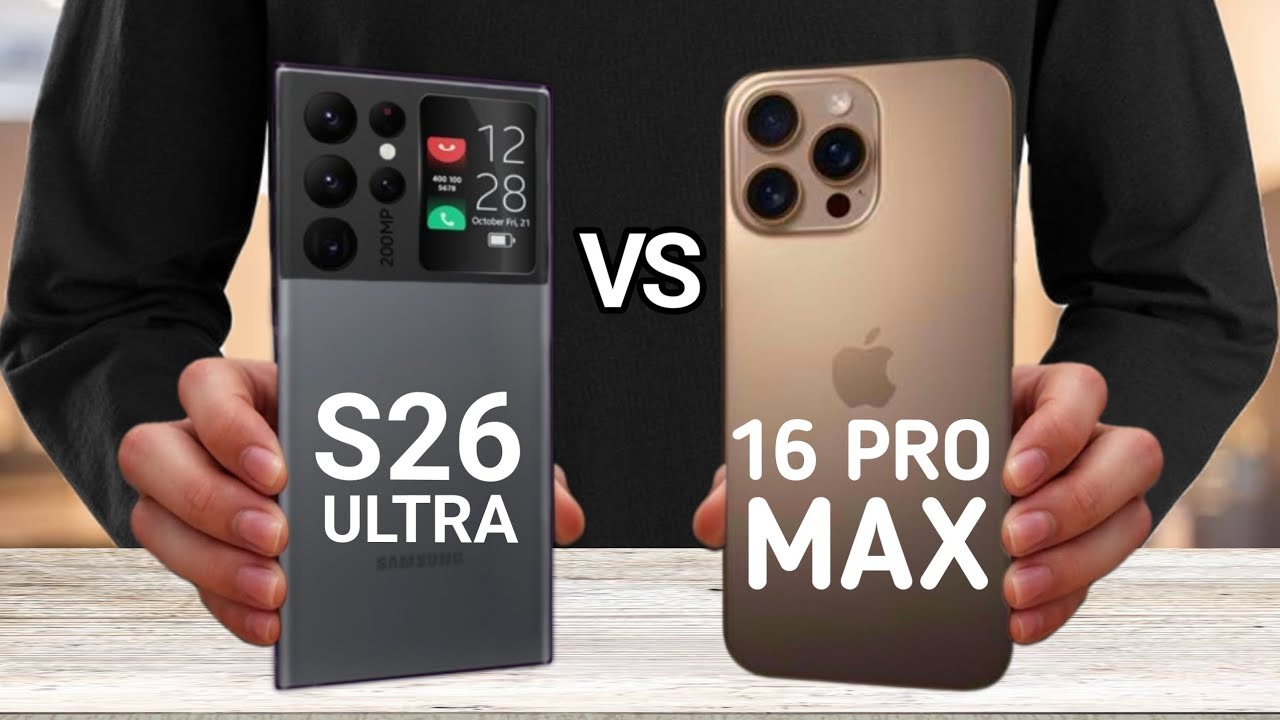
iPhone 16 Pro Max: sticking to 120Hz
The iPhone 16 Pro Max is widely expected to continue utilizing Apple’s ProMotion technology. This means a variable refresh rate, dynamically adjusting between 1Hz and 120Hz depending on the content being displayed. A report from yahoo.com suggests that Apple isn’t planning a radical overhaul of the display technology in the near future, focusing instead on refining what they already have.
The benefit of a variable refresh rate is significant: battery life. When you’re reading text or looking at a static image, the display can drop down to as low as 1Hz, conserving power. When you’re scrolling or playing a fast-paced game, it ramps up to 120Hz for maximum smoothness. Apple’s implementation is generally very good at seamlessly switching between these rates, although some users occasionally notice subtle fluctuations.
Apple is sticking with the 120Hz ceiling for the iPhone 16 Pro Max. Instead of chasing higher numbers, they are refining the LTPO backplane to handle the 1Hz to 120Hz transition with less power draw. It's a conservative move, but Apple usually bets on battery life over raw speed specs.
Apple’s software plays a big role in how the refresh rate is managed. Different apps and scenarios trigger different refresh rate behaviors. For example, the camera app might use a lower refresh rate to conserve battery, while a demanding game will automatically switch to 120Hz. This level of control is something Apple does very well.
Samsung Galaxy S26 Ultra: the push for 144Hz
Samsung has consistently been at the forefront of display technology, and the Galaxy S26 Ultra is expected to continue that trend. While the S24 Ultra currently tops out at 120Hz, there’s a real possibility that Samsung will push the boundaries further with the S26 Ultra, potentially introducing a 144Hz or even higher refresh rate. This isn’t just speculation; Samsung has the manufacturing capabilities and the incentive to differentiate itself.
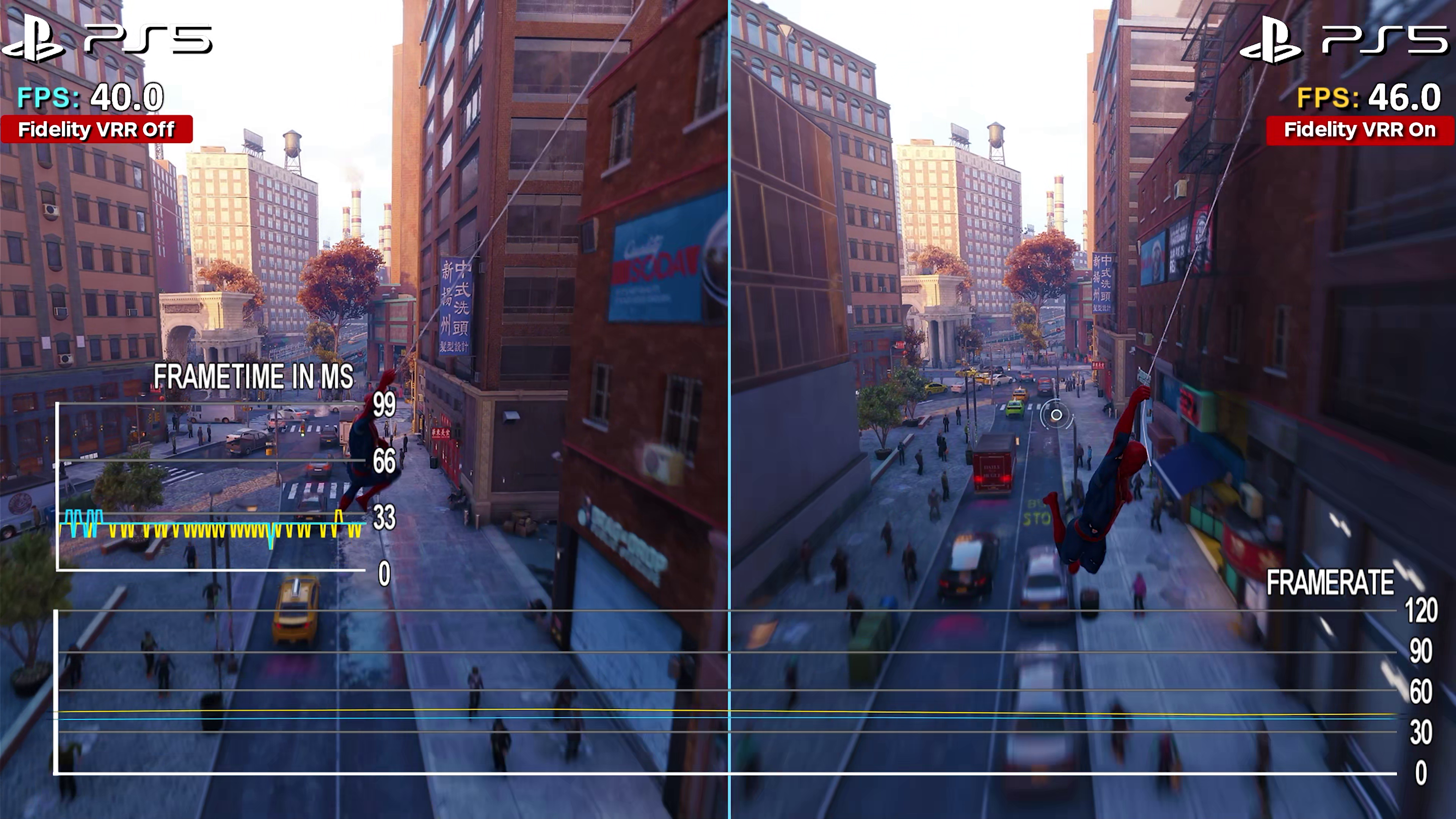
The question isn’t just if Samsung can go beyond 120Hz, but how. A higher fixed refresh rate (like 144Hz) would consume more power than a variable refresh rate. Samsung’s strength lies in its display manufacturing process, and any advancements in panel technology by 2026 could be key. They’ve invested heavily in OLED and AMOLED technology, and continued innovation in these areas could enable higher refresh rates without sacrificing efficiency.
There’s a debate to be had about the benefits of a higher fixed refresh rate versus a more sophisticated variable refresh rate system. A fixed 144Hz might offer a slightly smoother experience in certain scenarios, but it would also drain battery faster. Samsung’s adaptive refresh rate technology already does a good job of balancing smoothness and power consumption, and they’ll likely refine this further.
Samsung’s existing adaptive refresh rate technology intelligently adjusts the refresh rate based on the content being displayed, similar to Apple’s ProMotion. However, Samsung often allows for more user customization in terms of refresh rate settings. It's reasonable to assume they will continue to offer options for users to prioritize smoothness or battery life in the S26 Ultra.
How LTPO tech is changing
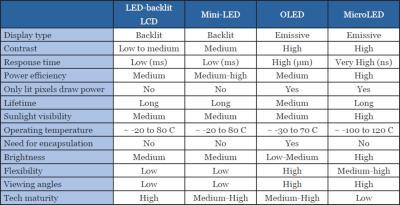
LTPO, or Low-Temperature Polycrystalline Oxide, is a backplane technology used in OLED displays. It's crucial for achieving variable refresh rates because it allows for more precise control over individual pixels. Traditional OLED displays struggle to dynamically adjust refresh rates without significant power consumption or image artifacts.
Both Apple and Samsung use LTPO in their flagship phones, but there may be subtle differences in their implementations. Samsung, as a major display manufacturer, often has more control over the underlying panel technology. They might be able to achieve higher refresh rates or greater efficiency through proprietary innovations. However, Apple’s expertise in software and calibration allows them to optimize the display performance very effectively.
By 2026, we can expect further advancements in LTPO technology. This could include improved pixel response times, higher brightness levels, and even greater energy efficiency. New materials and manufacturing processes could also play a role. The competition between Apple and Samsung will undoubtedly drive innovation in this area.
These panels also dictate how bright the screen gets under direct sunlight and how colors shift when you tilt the phone. Samsung and Apple are fighting over nits and color delta scores just as much as they are over Hertz.
iPhone 16 Pro Max vs Samsung Galaxy S26 Ultra: Gaming Refresh Rate Comparison (Predicted - 2026)
| Game Title | Max Achievable FPS (Predicted) | Refresh Rate Support | Screen Tearing Potential | Smoothness Rating (1-5, 5 is best) |
|---|---|---|---|---|
| Genshin Impact | High | Both support variable refresh rates up to 144Hz | Low with VRR enabled on both devices | 4.5 |
| Call of Duty Mobile | Very High | Both support high refresh rates, Samsung potentially offering slightly wider range | Moderate without optimized settings | 4 |
| Asphalt 9 | High | Both support 120Hz, Samsung may have edge with adaptive refresh rate technology | Noticeable at lower refresh rates | 3.5 |
| PUBG Mobile | High | Both support 120Hz, Samsung's display technology may provide a slight advantage | Low with optimized graphics settings | 4 |
| Fortnite | High | Both support variable refresh rates, Samsung potentially offering more granular control | Moderate, dependent on frame rate stability | 3.8 |
| Diablo Immortal | High | Both capable of 120Hz+ refresh rates, Samsung potentially optimized for sustained performance | Low with frame rate cap | 4.2 |
Qualitative comparison based on the article research brief. Confirm current product details in the official docs before making implementation choices.
Featured Products

256GB Storage · Black Titanium Finish · Unlocked
This renewed iPhone 16 Pro Max offers a premium Apple experience with a high refresh rate display, essential for comparing flagship smoothness.

256GB Storage · Privacy Display · Galaxy AI Features
The Samsung Galaxy S26 Ultra showcases advanced display technology and AI capabilities, providing a key benchmark for visual performance and refresh rate comparison.

128GB Storage · Triple Rear Camera System · 24-Hour Battery
This renewed Google Pixel 9 Pro, while not a direct competitor in this specific comparison, represents a strong contender in display technology with its Super Actua screen.

12GB RAM · 256GB Storage · 120Hz Fluid Display
The OnePlus 9 Pro, featuring a 120Hz Fluid Display, provides a valuable reference point for high refresh rate technology in a slightly older flagship model.
As an Amazon Associate I earn from qualifying purchases. Prices may vary.
No comments yet. Be the first to share your thoughts!